Before and After Photos
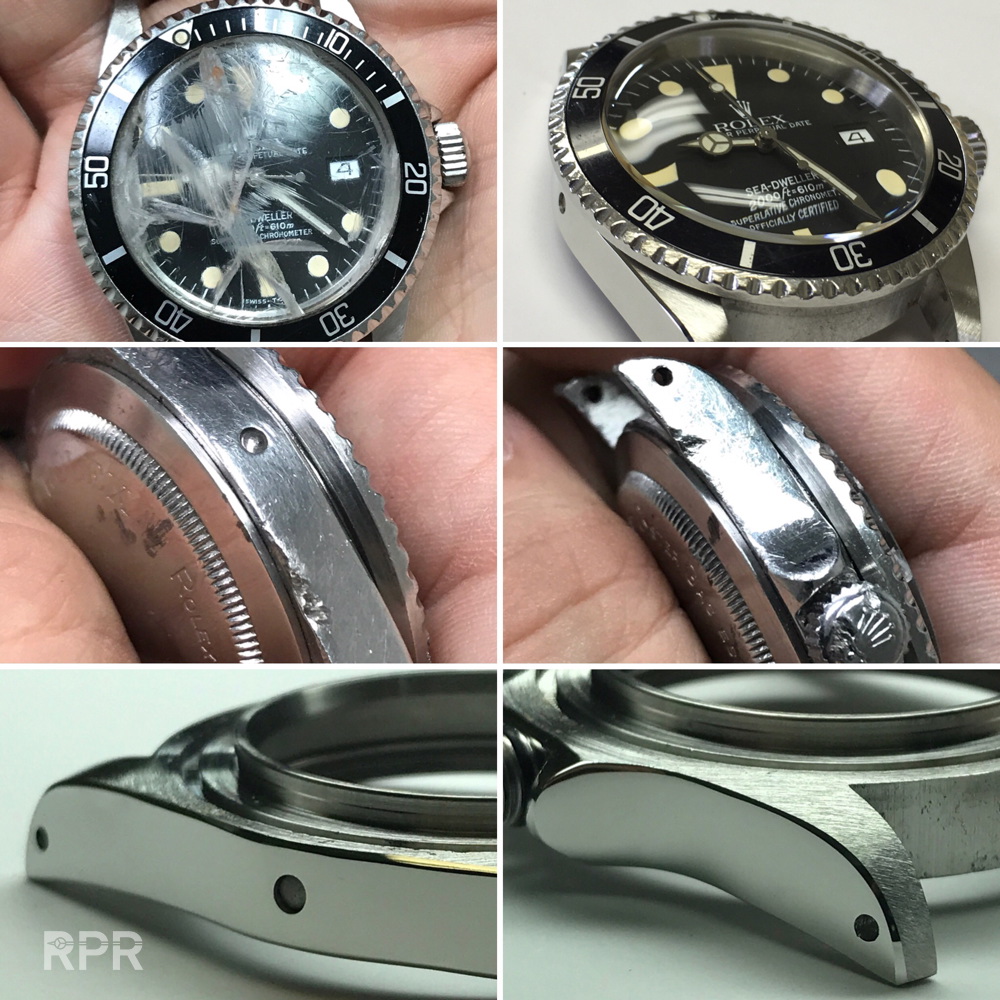
Do you take photos of every watch that comes in for service? If not, you should.
Why a before and after matters:
→ Some customers inspect their watches under loupes when they get them back. They will spot a hairline scratch and ask if you did it. Without a photo, you have no way to prove it was already there. You eat the polish, the case work, or worse — replace a part on your dime.
→ If the scratch was there to begin with, the before photo ends the conversation in one screenshot.
→ A visual record of your own work is one of the best feedback loops you have. Pull up a job from two years ago next to one you finished yesterday — refinishing, dial work, hand fitting, lume jobs — you'll see exactly where you've leveled up and where you're still leaving money on the table.
→ It is some of the best content you can produce for your website and socials. Watch people scroll for transformation shots. A tarnished case next to a freshly serviced one sells your skill better than any paragraph you can write.
→ It attracts new customers. Quality of work is hard to communicate in words. Photos do it instantly.
When dealing with rare timepieces, the stakes get higher. Rolex collectors know the difference between an Open 4, Flat 4, and Kissing 4 insert. Same with service vs. tritium dials, fat font vs. thin font bezels, original vs. reissue hands. A customer can come back six months later and claim theirs originally had one variant and you swapped it. We had this happen once and ended up doing the repair for free even though we were in the right — because we had no photo to prove what came in.
One picture at intake would have saved that job.
How are you taking pictures and storing them?
— FZ